Tiger nuts are increasingly in demand across global food, beverage, and health ingredient markets, making quality consistency and export reliability critical for international buyers. However, sourcing export-grade tiger nuts from Nigeria requires careful handling of cleaning, drying, grading, and contamination control to meet international standards. At Palmadex, tiger nut exports are managed through a structured quality system designed to deliver uniform, clean, and well-processed products suitable for diverse buyer applications. This Q&A provides an inside look at how Palmadex sources tiger nuts from Nigeria’s key producing regions, applies strict processing controls, and implements export-quality assurance procedures that global buyers rely on for consistent supply and smooth shipment execution.
Q&A: The Palmadex Tiger Nut Quality Process
Q1: Where does Palmadex source its tiger nuts in Nigeria?
Palmadex sources tiger nuts from established producing regions across Northern Nigeria, where soil composition and climate conditions support optimal tuber development. The company works directly with vetted farmers and aggregation centers to ensure consistent supply, traceability, and adherence to post-harvest handling standards.
Q2: How does Palmadex ensure proper cleaning and impurity removal?
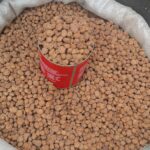
Upon aggregation, tiger nuts undergo multi-stage cleaning processes to remove stones, sand, chaff, and foreign matter. Mechanical screening, washing, and manual inspection are applied to achieve export-grade cleanliness levels that meet international buyer specifications.
Q3: What drying standards does Palmadex apply to tiger nuts?
Palmadex carefully controls drying to achieve safe moisture levels that reduce mold growth and extend shelf life. Drying is conducted under monitored conditions to preserve nut integrity, prevent shrinkage, and maintain natural color and flavor profiles.
Q4: How are tiger nuts graded for export?
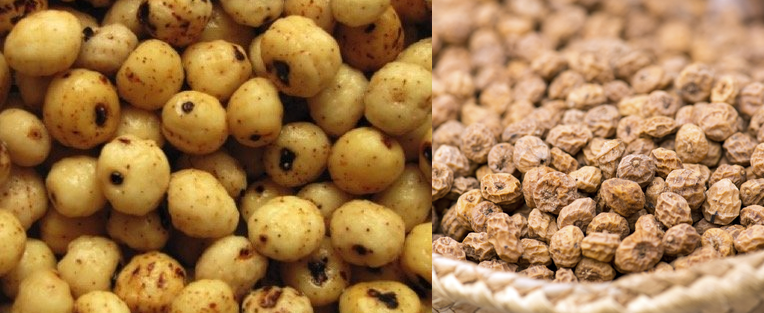
Tiger nuts are graded based on size uniformity, cleanliness, moisture content, and overall appearance. Palmadex customizes grading to buyer requirements, whether for food processing, beverage production, or retail packaging applications.
Q5: What quality assurance checks are performed before shipment?
Before shipment, Palmadex conducts final inspections covering moisture verification, impurity tolerance, packaging integrity, and labeling accuracy. Only lots that meet agreed specifications are approved for export, ensuring consistency across shipments.
Tiger Nut Export Specifications (Typical)
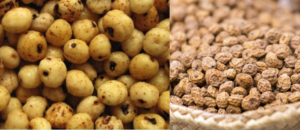
Product: Dried Tiger Nuts
Moisture Content: ≤ 10–12%
Foreign Matter: ≤ 1%
Packaging: PP bags or jute bags (customizable)
Origin: Nigeria
Shelf Life: Up to 12 months under proper storage
Why Global Buyers Choose Palmadex
Palmadex combines strong sourcing networks, disciplined processing standards, and export expertise to deliver Nigerian tiger nuts that meet international expectations. From farm-level selection to container loading, every step is structured to reduce risk and improve buyer confidence.
Delivering export-grade tiger nuts from Nigeria requires more than sourcing and packaging. It demands strict control over moisture, cleanliness, grading consistency, and documentation readiness — all of which Palmadex has built into its export operations. Through strong farmer partnerships, disciplined processing standards, and rigorous pre-shipment inspections, Palmadex ensures that every tiger nut consignment meets agreed buyer specifications and international quality expectations. This structured approach reduces risk for importers, supports smooth customs clearance, and guarantees consistency across repeat shipments. For global buyers seeking a dependable Nigerian tiger nut supplier capable of meeting long-term supply requirements, Palmadex remains a trusted export partner.
Contact Us Today
For export inquiries, specifications, or sampling requests:
Emails: import@palmadex.com | palmadexgis@mail.com
Phone/WhatsApp: +2348066579079
Palmadex — your reliable partner for premium Nigerian tiger nut exports.