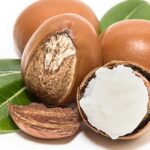
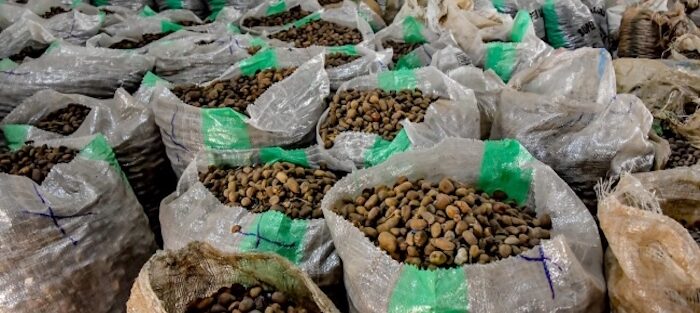
Sourcing high-quality shea nuts from Nigeria requires more than access to producing regions. It demands strict control over harvesting, drying, grading, storage, and export documentation. Palmadex operates a structured quality management system across Nigeria’s major shea belts to ensure every shipment meets international buyer expectations.
This Q&A provides a transparent look at how Palmadex maintains consistent export-grade shea nut quality for global markets.
Q1: Where Does Palmadex Source Its Shea Nuts in Nigeria?
Palmadex sources shea nuts directly from major producing regions including Niger, Kwara, Kebbi, Nasarawa, and parts of the North-Central belt. The company works with structured farmer groups and local aggregators who follow defined harvesting and post-harvest handling guidelines.
This controlled sourcing model helps Palmadex maintain traceability, reduce contamination at origin, and ensure consistent raw material flow throughout the export season.
Q2: How Does Palmadex Control Drying Standards for Shea Nuts?
Drying is a critical quality determinant in shea nut export. Palmadex enforces strict sun-drying protocols immediately after harvest to stabilize moisture content. Drying yards are regularly inspected to prevent:
Mould growth
Fermentation defects
Heat damage
Excessive moisture retention
Moisture levels are monitored repeatedly to ensure they fall within export-acceptable limits before warehousing.
Q3: What Grading Systems Are Used for Export-Quality Shea Nuts?
Palmadex grades shea nuts based on:
Nut size and uniformity
Shell integrity
Oil content potential
Percentage of foreign matter
Moisture level
Manual and mechanical sorting systems are combined to remove shrivelled nuts, stones, sand, and plant debris. Only lots that meet export specifications proceed to final packaging.
Q4: How Does Palmadex Prevent Contamination and Quality Degradation?
Palmadex applies strict contamination control at every stage of handling. This includes:
Clean bagging materials
Sanitized warehouses
Elevated pallet storage
Routine fumigation and pest prevention
Strict segregation of export and non-export grades
Warehouses are ventilated and temperature-controlled to prevent microbial growth and moisture migration during storage.
Q5: What Export-Quality Assurance Checks Are Conducted Before Shipment?
Prior to loading, every batch undergoes a multi-stage quality verification process that includes:
Moisture testing
Visual impurity inspection
Weight verification
Packaging integrity checks
Third-party inspection when required
Only batches that pass all benchmarks proceed to container loading for international shipment.
Q6: How Are Shea Nuts Prepared for Export Packaging and Loading?
Palmadex uses durable export-grade packaging such as polypropylene or jute bags depending on buyer specifications. Each bag is properly labelled, weighed, and palletized where required.
Containers are inspected to ensure they are dry, clean, and odour-free before loading. Proper container stowage is applied to prevent crushing and moisture exposure during transit.
Q7: How Does Palmadex Maintain Traceability from Farm to Port?
Each shea nut lot is coded based on its sourcing cluster and processing batch. This allows Palmadex to trace every shipment back to specific collection zones, drying yards, and warehouse locations.
This traceability system supports buyer audits, regulatory compliance, and continuous quality improvement.
Q8: How Does Palmadex Support Buyers with Export Documentation?
Palmadex prepares and manages all essential export documents including:
Phytosanitary certificates
Fumigation certificates
Certificates of origin
Commercial invoices
Packing lists
Bills of lading
Buyers receive scanned copies ahead of shipment and original documents through designated channels for smooth customs clearance.
Conclusion
Quality in shea nut exports is not accidental. It is the result of disciplined sourcing, controlled drying, strict grading, contamination prevention, and structured export-quality assurance. Palmadex’s end-to-end quality management system is designed to protect buyer interests while delivering consistent, premium Nigerian shea nuts to global markets.
Trade Specifications (Typical Export Range)
 Premium Shea Nuts Available from Palmadex
Product: Dried Shea Nuts
Origin: Nigeria
Moisture Content: 6% – 8% max
Impurities: 1% – 2% max
Packaging: 50kg bags or as per buyer request
Loading: FCL / Bulk Containerized
Delivery Terms: FOB, CFR, CIF
Inspection: SGS or equivalent upon request
Contact Us Today
For export inquiries and long-term shea nut supply partnerships, contact Palmadex:
Emails: import@palmadex.com | palmadexgis@mail.com
Phone/WhatsApp: +2348066579079
Palmadex supplies export-grade Nigerian shea nuts with consistency, transparency, and dependable logistics.