Q&A: How Palmadex Ensures Premium Palm Oil Quality
Q1: Where does Palmadex source its palm oil in Nigeria?
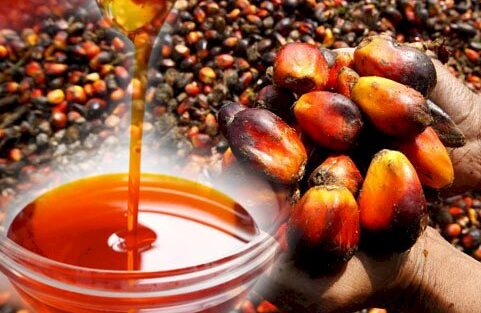
Palmadex sources palm oil from certified mill clusters across Nigeria’s key palm belts, including Edo, Delta, Ondo, Imo, and Cross River. These regions produce high-yield, low-FFA red palm oil. Only mills that meet Palmadex’s processing hygiene and extraction standards are approved for supply.
Q2: How does Palmadex verify palm oil quality before purchase?
Each batch undergoes laboratory evaluation for:
Free Fatty Acids (FFA)
Moisture and volatile matter
Impurities
Colour and clarity
Odour and taste consistency
Only batches that meet export-grade standards proceed to refining or packaging for shipment.
Q3: Does Palmadex work with refined or crude palm oil?
Palmadex exports both:
CPO (Crude Palm Oil) for food manufacturers and industrial applications.
RBD Palm Oil for buyers needing refined, bleached, and deodorized oil.
Batch selection depends on the buyer’s use-case, quality requirements, and destination regulations.
Q4: How is quality maintained during processing and storage?
Palmadex enforces strict quality assurance:
Temperature-controlled storage tanks prevent oxidation.
Sedimentation and filtration remove impurities.
Stainless-steel processing ensures hygiene.
Moisture levels are controlled to prevent microbial growth.
This approach maintains consistency across shipments.
Q5: What type of packaging does Palmadex use for export?
Palmadex exports palm oil in:
20–25 litre jerry cans
190–200 kg steel drums
Flexitanks (for large-volume buyers)
All packaging options comply with food-grade standards and international transport regulations.
Q6: How does Palmadex ensure traceability?
Each batch is assigned a traceability code linking it to specific mills, inspection reports, processing dates, and loading details. This ensures full supply chain visibility for international buyers.
Q7: How does Palmadex prevent contamination and adulteration?
Palmadex inspects mills for processing hygiene, prohibits dilution with kernel oil or colouring agents, and performs random third-party quality checks (SGS/Intertek) before shipment.
Q8: What documentation comes with each shipment?
Palmadex facilitates:
Certificate of origin
Phytosanitary certificate (when required)
Quality analysis report
Commercial invoice
Packing list
Third-party inspection reports (optional)
This ensures smooth customs clearance at destination ports.
Trade Specifications — Palm Oil
Crude Palm Oil (CPO)
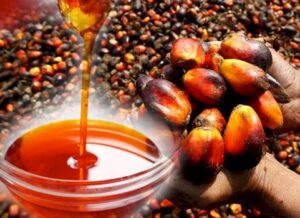
FFA: ≤ 5%
Moisture: ≤ 0.2%
Impurities: ≤ 0.1%
Colour: Deep reddish-orange
Packaging: Drums, jerry cans, flexitanks
Origin: Nigeria
Loading: 20–22 MT per 20ft container (drums)
RBD Palm Oil
FFA: ≤ 0.15%
Moisture: ≤ 0.1%
Impurities: ≤ 0.01%
Colour: Light yellow
Packaging: Flexitank or drums
Origin: Nigeria
Loading: 22–24 MT per 20ft container
Contact Palmadex
Emails: import@palmadex.com | palmadexgis@mail.com
Phone/WhatsApp: +2348066579079