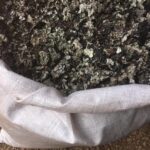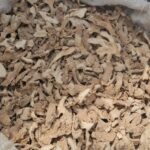
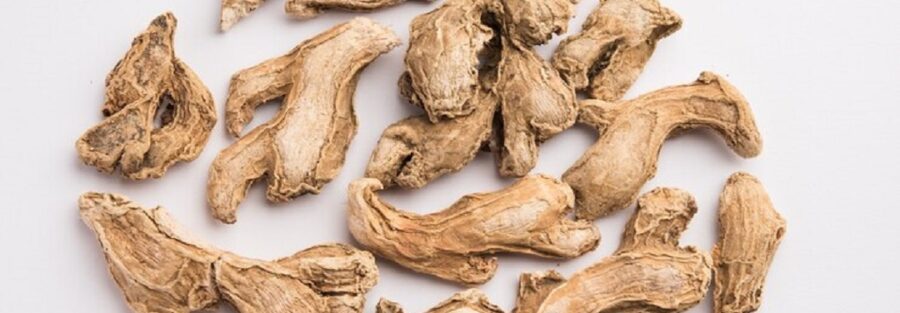
Dried split ginger from Nigeria is highly valued in global spice markets for its strong aroma, pungency, and high oil content. However, maintaining consistent quality from farm to export requires strict controls across sourcing, processing, drying, and logistics. Variations in moisture, improper splitting, or contamination can significantly reduce product value and shelf life. At Palmadex, dried split ginger exports are managed through a structured quality assurance system designed to meet international buyer expectations. This Q&A provides a detailed look into how Palmadex ensures export-grade dried split ginger quality for global markets.
Q&A: Palmadex Dried Split Ginger Quality Assurance
1. Where does Palmadex source its dried split ginger in Nigeria?
Palmadex sources ginger from Nigeria’s major ginger-producing regions, particularly areas known for high-oil-content varieties. These regions offer favorable soil and climatic conditions that produce ginger with strong aroma and low fiber content. Palmadex works closely with trusted aggregators and farmers to ensure consistent raw material quality.
2. How does Palmadex control quality at the sourcing stage?
Quality control begins before processing. Palmadex inspects fresh ginger rhizomes for maturity, firmness, and absence of rot or pest damage. Only mature ginger suitable for splitting and drying is approved for processing, reducing the risk of quality loss later in the export chain.
3. What splitting standards does Palmadex follow for export-grade ginger?
Ginger rhizomes are carefully split into uniform sizes to ensure even drying and consistent appearance. Proper splitting prevents internal moisture retention, reduces mold risk, and ensures buyers receive ginger that meets size and presentation requirements.
4. How is drying managed to preserve aroma and shelf life?
Palmadex applies controlled drying techniques that balance moisture reduction with aroma preservation. Ginger is dried to buyer-approved moisture levels to prevent microbial growth while retaining natural pungency and essential oils critical for culinary and industrial use.
5. How does Palmadex manage moisture control and mold prevention?
Moisture levels are monitored throughout processing and before packaging. Palmadex maintains strict moisture thresholds to prevent mold formation during storage and transit. Products failing to meet moisture specifications are reprocessed or rejected.
6. What cleaning and inspection processes are applied before export?
Dried split ginger undergoes thorough cleaning to remove stones, dust, fibers, and foreign matter. Visual inspections and quality checks are conducted to ensure uniform color, cleanliness, and aroma consistency before packaging.
7. How does Palmadex ensure quality consistency during shipping?
Palmadex uses export-grade packaging materials designed to protect ginger from moisture ingress and physical damage. Containers are properly lined, loaded, and sealed, and shipments are tracked to ensure ginger arrives at destination ports in optimal condition.
Conclusion
Ensuring premium dried split ginger quality requires disciplined control at every stage of the export process. Palmadex achieves this through careful sourcing, standardized splitting, controlled drying, strict moisture management, thorough inspections, and export-grade logistics. This structured approach allows Palmadex to deliver consistent, compliant, and high-quality Nigerian dried split ginger to global buyers while minimizing risk and ensuring long-term supply reliability.
Dried Split Ginger Export Specifications (Typical)
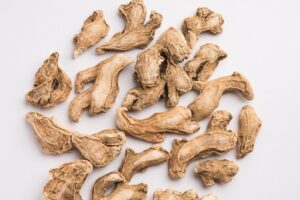
Product: Dried Split Ginger
Moisture Content: ≤ 10–12%
Foreign Matter: ≤ 1%
Aroma: Strong, natural
Color: Light brown to yellowish
Packaging: PP bags or cartons (customizable)
Origin: Nigeria
Shelf Life: Up to 12 months under proper storage
Contact Us Today
For dried split ginger export inquiries and specifications:
Emails: import@palmadex.com | palmadexgis@mail.com
Phone/WhatsApp: +2348066579079