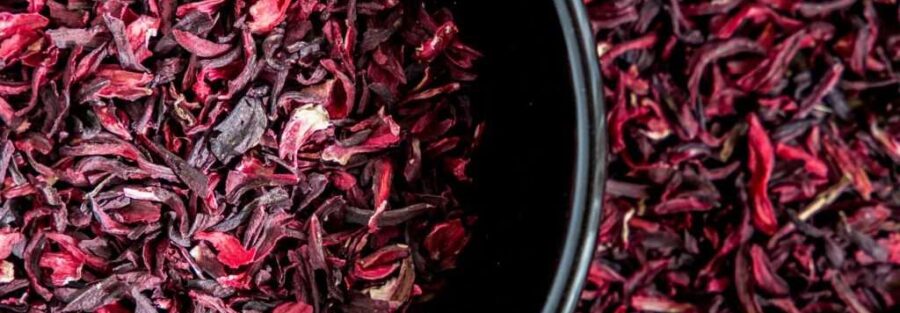
Q1: How does Palmadex source high-quality dried hibiscus flowers from Nigeria’s best-producing regions?
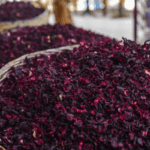
Palmadex works directly with farmers and aggregators across Kano, Jigawa, Katsina, and Bauchi — Nigeria’s top hibiscus-producing belts known for their vibrant red calyxes. The company implements field-level selection based on colour intensity, purity, harvesting method, and drying hygiene. Only suppliers who consistently meet our grading benchmarks are approved. This upstream control ensures that every batch begins with naturally clean, well-dried hibiscus suitable for global export.
Q2: What specific cleaning and sorting processes does Palmadex use to achieve international purity standards?
Cleanliness is the most critical requirement for hibiscus importers. Palmadex combines mechanical and manual cleaning to achieve 95–99 percent purity:
Mechanical pre-cleaning removes dust, sand, chaff, and loose contaminants.
Magnetic separators eliminate metallic particles.
Gravity and density separation reduce stones and heavier foreign matter.
Manual picking lines eliminate stubborn impurities such as twigs and fibres.
Each batch goes through multiple passes until it meets the importer’s specified purity levels.
Q3: How does Palmadex protect colour quality and ensure the deep red hue importers expect?
Colour is a major price determinant. Palmadex preserves the intense wine-red colour by enforcing strict drying standards at farm level, preventing overheating that can dull hibiscus. Processing areas are kept cool and shaded to avoid sun bleaching. Storehouses maintain controlled temperatures and ventilation to protect colour integrity before packaging and shipment.
Q4: How is moisture controlled to prevent mould, spoilage, and microbial growth?
Moisture control is a top priority because hibiscus absorbs humidity easily. Palmadex uses calibrated moisture meters at multiple stages — sourcing, cleaning, storage, and pre-shipment testing. Any batch above the approved moisture level (maximum 12 percent) undergoes additional drying or is rejected entirely. This eliminates mould risk and ensures long shelf life during long-haul shipping.
Q5: What packaging standards does Palmadex follow to maintain hygiene and meet global expectations?
Export-ready hibiscus is packed in 25 kg or 50 kg polypropylene woven bags with food-grade inner liners. Bags are double stitched, and optional palletisation is available for importers requiring premium handling. Every shipment undergoes fumigation, and packaging materials meet the requirements of beverage companies, tea manufacturers, and ingredient processors worldwide.
Q6: How does Palmadex ensure product traceability from farm to container?
Paladex maintains batch-level identification that links every shipment back to its sourcing origin, cleaning date, processing stage, and inspection results. This system enables transparency, faster quality audits, and reliable documentation for markets that require traceability, including Europe, the Middle East, and Asia.
Q7: What testing and inspection processes does Palmadex provide before export?
Depending on buyer requirements, Palmadex conducts:
Moisture analysis
Admixture/foreign-matter assessment
Colour grading
Microbial tests when required
Third-party inspections (SGS, Bureau Veritas, Intertek) can be arranged. Full documentation — phytosanitary certificate, fumigation report, certificate of origin, commercial invoice, and packing list — is always provided.
Q8: How does Palmadex manage logistics and container loading to reduce damage and ensure timely delivery?
Containers are cleaned, inspected, lined when necessary, and fumigated prior to loading. Bags are stacked to maximise airflow and reduce compression damage. Palmadex schedules shipments through the closest available vessel to minimise delays and provides tracking updates from booking to arrival. This ensures that hibiscus arrives vibrant, clean, and ready for processing.
Trade Specifications — Dried Hibiscus Flower (Nigeria)
Purity: 95–99 percent
Moisture: Maximum 12 percent
Colour: Deep wine-red
Admixture: Maximum 2 percent
Packaging: 25–50 kg PP woven bags with liners
Loading Capacity: 13–14 MT per 20 ft container
Quality Tests: Moisture, purity, colour, cleanliness
Certifications: Phytosanitary, fumigation, certificate of origin, SGS/Intertek on request
Shipping Terms: FOB Lagos, CFR, CIF
Contact Palmadex
Emails:import@palmadex.com | palmadexgis@mail.com
Phone/WhatsApp: +2348066579079