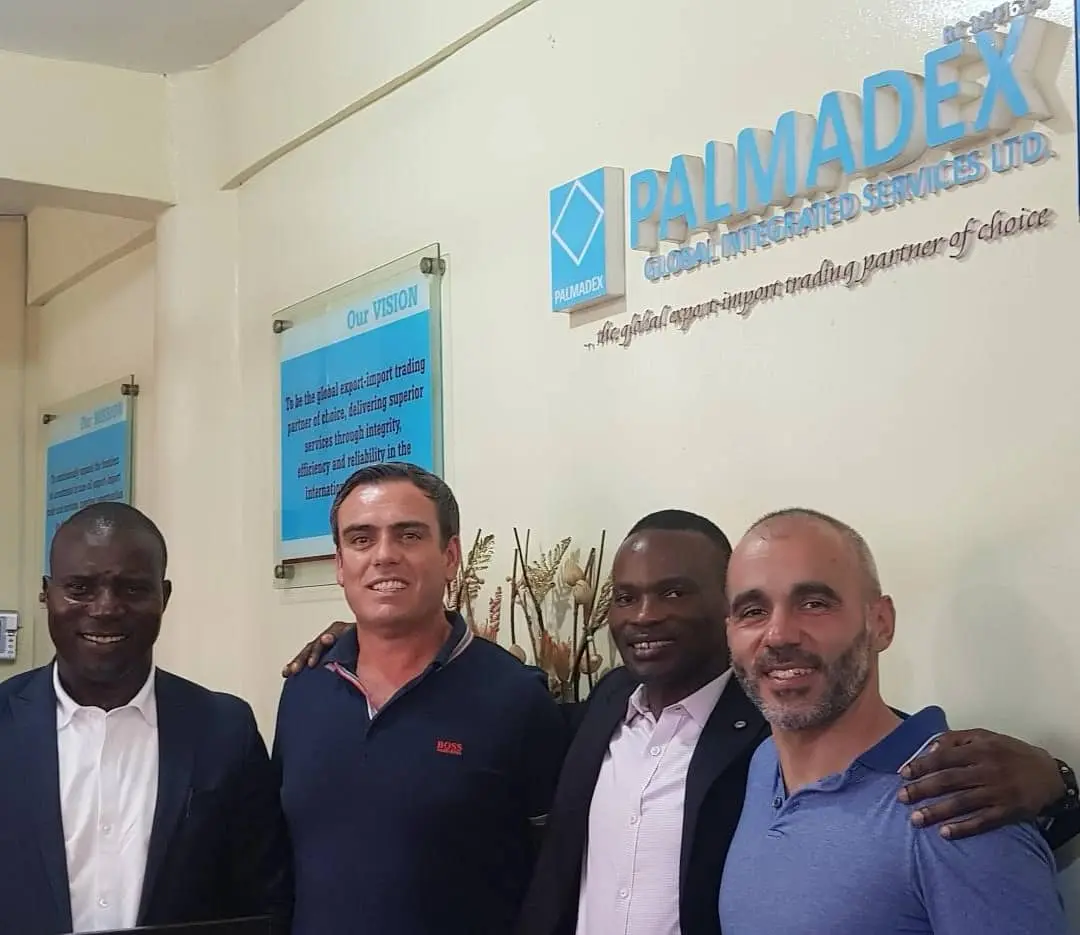
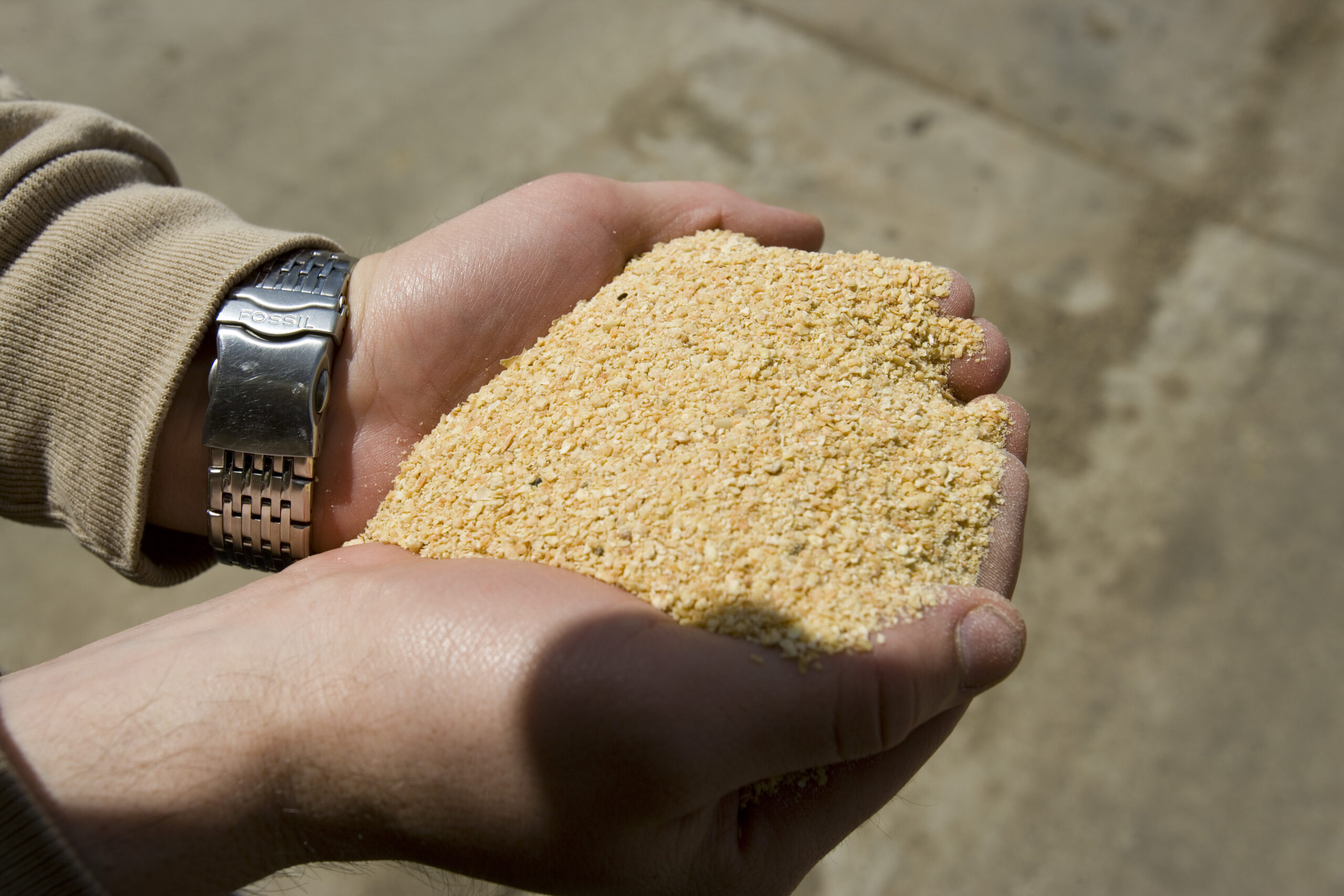
Nigeria’s soya bean meal sector is expanding rapidly, but only a few exporters deliver consistent, high-protein, export-grade meal. In this Q&A session, the Palmadex export team explains how sourcing, processing, and rigorous testing ensure that buyers receive reliable, high-nutrition soya bean meal suitable for feed mills and industrial applications worldwide.
Q&A SESSION WITH THE PALMADEX EXPORT TEAM
Q1: What makes Palmadex’s soya bean meal stand out in the international market?
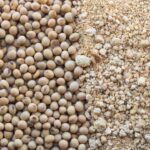
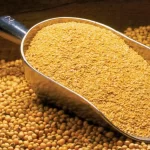
Palmadex supplies soya bean meal with stable protein levels (44–48 percent), low moisture, and minimal impurities. Our sourcing is done directly from trusted farms across Nigeria’s major soya belts, ensuring consistent quality from harvest to final shipment.
Q2: How does Palmadex source high-quality raw soya beans?
We work with vetted farmer clusters supported by agronomists who ensure good agricultural practices. Only clean, mature, and properly dried beans enter our processing system. This traceability guarantees a uniform raw material base.
Q3: What processing techniques does Palmadex use to maintain protein integrity?
Palmadex uses controlled milling and solvent-free mechanical extraction to retain natural protein and reduce residual oil content. Processing facilities are regularly audited to maintain global feed-grade standards.
Q4: How do you ensure that moisture and contamination are controlled?
Each batch undergoes moisture testing, foreign matter removal, and magnetic screening. Moisture levels are maintained at 10 percent or below to prevent mold growth and ensure safe long-distance shipping.
Q5: What laboratory testing does Palmadex conduct before shipment?
Samples are tested for protein content, fiber level, ash level, oil residue, and microbiological safety. Buyers receive detailed lab reports alongside contract documentation.
Q6: How is the soya bean meal packaged for export?
We export using 50 kg polypropylene bags or bulk jumbo bags, depending on buyer preference. Each bag is double-stitched to prevent spillage and contamination during transit.
Q7: What measures ensure container loading quality?
Palmadex sanitizes containers, checks floor dryness, lines interiors where necessary, and ensures pallets are strong enough for weight distribution. Photos and videos are shared with buyers before sealing.
Q8: How does Palmadex handle logistics and documentation?
All shipments include Phytosanitary Certificates, Fumigation Certificates, Certificates of Origin, and quality reports. Export processes are completed at major ports including Lagos and Port Harcourt.
Palmadex Soya Bean Meal Export Specifications
Protein: 44–48 percent
Moisture: ≤10 percent
Fibre: ≤7 percent
Oil Residue: ≤2 percent
Packaging: 50 kg PP bags or jumbo bags
Loadability: 22–24 MT per 20ft container
Ports: Lagos (Apapa/Tin Can), Port Harcourt
Lead Time: 14–21 days
Partner with Palmadex
For consistent, export-certified soya bean meal shipments, contact the Palmadex Export Desk:
Email: import@palmadex.com | palmadexgis@mail.com
Phone/WhatsApp: +2348066579079
Location: Lagos, Nigeria