Consistency is the foundation of trust in international trade. For sesame seed buyers, receiving the same quality across multiple shipments is not negotiable. Palmadex has developed a farm-to-port system that ensures every consignment meets international standards. In this interview, the Palmadex Export Desk explains how the company maintains quality consistency through traceability, laboratory testing, and close partnerships with farmers across Nigeria’s sesame-producing regions.
Q: How does Palmadex achieve consistent sesame seed quality across diverse sourcing regions?
A: We achieve this by working directly with organized farming cooperatives in major producing states such as Benue, Jigawa, Kano, and Nasarawa. Each farmer group follows our standardized cultivation and post-harvest procedures. Our field officers monitor drying, cleaning, and bagging stages to ensure the same quality benchmark applies across all sourcing zones.
Q: What role do traceability and farmer partnerships play in quality control?
A: Traceability is at the heart of our operation. Every batch of sesame seeds sourced by Palmadex is coded and traceable back to its farming cluster. This system allows us to monitor which farm produced what batch and at what stage it was processed. It builds accountability and strengthens long-term partnerships with farmers who maintain consistent practices.
Q: How does Palmadex test and verify sesame seed quality before export?
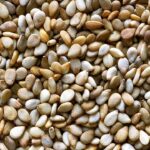
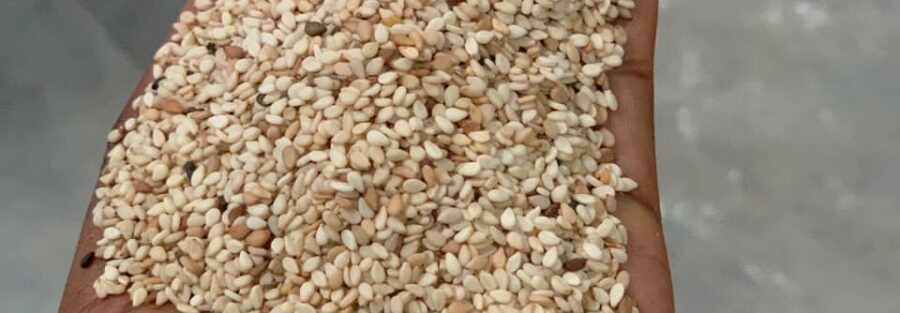
A: All sesame seeds undergo cleaning and laboratory testing at our facilities. We check for moisture content, purity, oil content, and foreign matter. Samples from each lot are retained and analyzed to confirm compliance with export standards. Only batches that meet the required parameters — typically moisture below 7% and purity above 99% — are approved for shipment.
Q: What quality assurance measures are in place during packaging and loading?
A: We use high-quality polypropylene (PP) bags of 25kg or 50kg to maintain seed integrity during transport. Our loading process is supervised by quality officers who verify bag weight, cleanliness, and proper container sealing. Palmadex also captures loading photos and videos for buyer transparency before sealing the container for export.
Q: How does Palmadex ensure quality remains intact during transit to destination ports?
A: We manage controlled container loading to prevent condensation and product spoilage. For longer routes, we recommend dry, ventilated containers to maintain optimal seed conditions. Buyers also receive real-time updates on vessel schedules and estimated arrival times, ensuring full visibility of their shipments.
Q: Why do international buyers trust Palmadex for sesame seed exports?
A: Because our system guarantees predictability. Each batch of sesame seeds goes through the same sourcing, testing, and documentation process. Whether a buyer orders once or multiple times a year, they receive the same consistent quality. Our commitment to transparency and standardization keeps us a preferred supplier in the global sesame trade.
Conclusion
From Nigerian farms to international markets, Palmadex ensures every sesame seed shipment reflects its commitment to quality, traceability, and reliability. By working closely with farmers, maintaining lab-tested quality control, and managing logistics precisely, Palmadex continues to deliver consistency that global buyers can depend on.
Palmadex Sesame Seed Export Trade Specifications
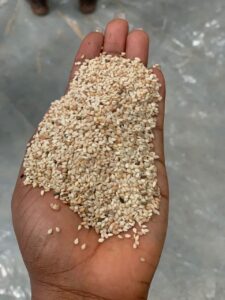
Commodity: Natural White Sesame Seeds (Sesamum indicum)
HS Code: 1207.40
Moisture Content: ≤ 7%
Purity: ≥ 99%
Oil Content: ≥ 48%
Packaging: 25kg or 50kg PP bags
Loadability: 20ft container = 19–20 MT; 40ft container = 26–27 MT
FOB Ports: Lagos (Apapa, Tin Can), Port Harcourt
Lead Time: 21–28 days after contract confirmation
Minimum Order Quantity: 1 × 20ft container
Partner with Palmadex
For sesame seed sourcing, export partnerships, or quality assurance inquiries, contact Palmadex Export Desk:
Emails:import@palmadex.com | palmadexgis@mail.com
Phone/WhatsApp: +2348066579079
Location: Lagos, Nigeria