Nigeria ranks among the leading producers of peanuts (groundnuts) in Africa. However, international buyers often face problems such as inconsistent grading, poor drying, contamination, and unreliable export handling. Palmadex addresses these issues through structured sourcing, strict quality control, and disciplined export procedures.
In this Q&A guide, we explain how Palmadex ensures premium Nigerian peanut quality for global buyers. We also outline the processes we use for sourcing, shelling, grading, drying, and export-quality assurance.
1. Where Does Palmadex Source Peanuts in Nigeria?
Palmadex sources peanuts primarily from Northern Nigeria, where the climate supports healthy groundnut cultivation. These regions produce high-quality peanut kernels with good oil content and strong flavor.
First, we evaluate suppliers carefully before approving them. Additionally, we assess harvesting and post-harvest handling practices. As a result, we maintain a reliable network of trusted suppliers who meet our quality expectations.
2. How Are Peanuts Harvested and Collected?
Farmers harvest peanuts once the plants mature and the pods reach optimal dryness. After harvesting, the plants are lifted from the soil and left to dry before the pods are separated.
Next, suppliers collect and sort the peanuts to remove damaged pods and foreign materials. This early-stage sorting improves raw material quality before the peanuts reach processing facilities.
3. How Does Palmadex Handle Shelling?
Palmadex supervises peanut shelling to protect kernel quality. First, the peanuts pass through shelling machines that separate kernels from their shells.
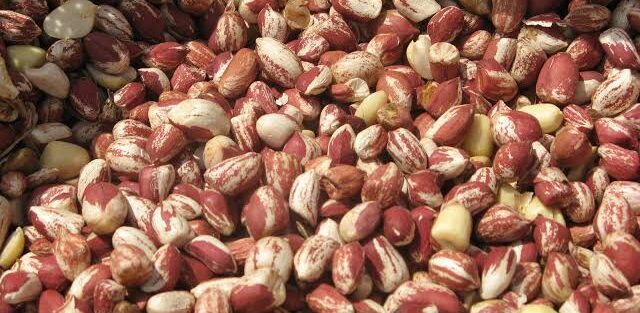
After shelling, workers manually inspect the kernels to remove broken pieces and defective nuts. Consequently, buyers receive clean peanut kernels suitable for food processing and industrial use.
4. How Are Peanuts Dried Properly?
Moisture control plays a critical role in peanut exports. High moisture levels can cause mold growth and quality deterioration.
Therefore, Palmadex ensures peanuts are properly dried before packaging. We monitor moisture levels and maintain them within acceptable export limits. As a result, the peanuts remain stable during storage and long-distance shipping.
5. What Grading Standards Does Palmadex Follow?
Palmadex grades peanut kernels based on size, color, and overall quality. Larger, uniform kernels typically receive higher grades.
Additionally, we align grading with buyer specifications. For example, some buyers require specific kernel sizes for roasting or oil production. By following clear grading standards, we ensure consistent quality across shipments.
6. How Does Palmadex Prevent Contamination?
Palmadex enforces strict handling procedures throughout cleaning, grading, and packaging. Workers operate in hygienic environments and use designated tools for processing.
Furthermore, processed peanuts are stored in clean, dry warehouses with proper ventilation. This storage system protects the kernels from moisture, pests, and contamination.
7. How Does Palmadex Ensure Export-Ready Quality?
Before shipment, Palmadex conducts final inspections on moisture levels, grading consistency, and packaging integrity. We also prepare all required export documentation to support smooth customs clearance.
In addition, our team supervises container loading to prevent product damage during transit. Consequently, buyers receive export-ready peanuts that meet agreed specifications.
Conclusion
Premium peanut exports require careful sourcing, proper drying, accurate grading, and strict quality control. Palmadex manages each step of the supply chain to ensure consistent Nigerian peanut quality for international buyers.
By combining disciplined sourcing, reliable processing, and professional export management, Palmadex delivers peanuts that meet global standards and buyer expectations.
Peanut Export Specifications (Typical)
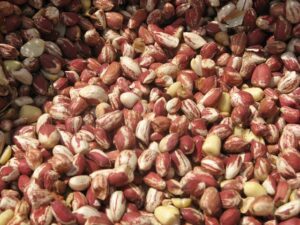
Product: Raw Peanut Kernels (Groundnuts)
Moisture Content: ≤ 10%
Foreign Matter: ≤ 1%
Broken Kernels: As per buyer specification
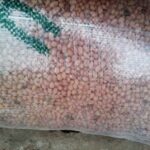
Packaging: 25kg or 50kg PP bags (or buyer specification)
Origin: Nigeria
Shelf Life: Up to 12 months under proper storage
Contact Us Today
Emails:import@palmadex.com | palmadexgis@mail.com
Phone/WhatsApp: +2348066579079