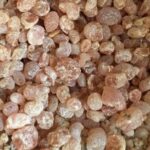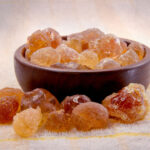
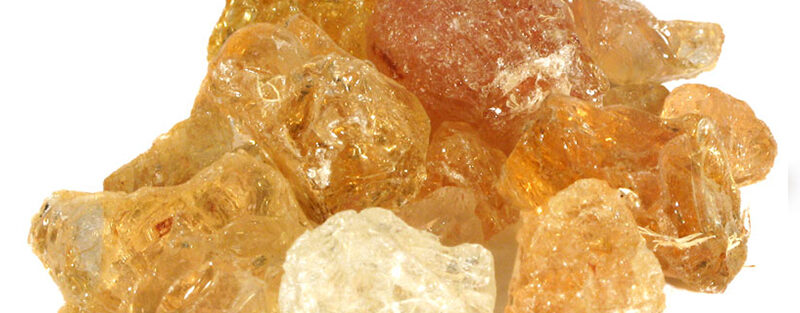
Exporting Gum Arabic from Nigeria can be challenging due to impurities, moisture variation, grading inconsistencies, contamination risks, and shipment delays. Buyers often face quality and compliance issues that disrupt supply. At Palmadex, we proactively address these challenges with structured processes, advanced quality control, and reliable logistics. This post explains how we solve common Gum Arabic export problems for international buyers.
1. How Does Palmadex Control Impurities?
Impurities such as bark particles, sand, and dust are a major concern in Gum Arabic exports. Palmadex removes these through manual pre-sorting followed by mechanical cleaning where necessary. Additionally, we inspect each batch multiple times. Consequently, buyers receive clean, export-ready Gum Arabic.
2. How Is Moisture Variation Managed?
Moisture fluctuations can lead to mold growth or product degradation. Therefore, Palmadex tests each batch’s moisture content before packaging. If necessary, we perform controlled drying under hygienic conditions. As a result, moisture levels remain within safe limits, ensuring product stability during shipping.
3. How Are Grading Inconsistencies Addressed?
Grading differences between suppliers can affect product uniformity. Palmadex standardizes grades based on size, color, and purity. Furthermore, we align batches with buyer specifications. Consequently, international buyers receive consistent quality across shipments.
4. How Does Palmadex Prevent Contamination?
Cross-contamination can occur during handling, cleaning, or storage. Palmadex mitigates this by maintaining strict hygiene protocols. Workers use designated tools in clean environments, and processed Gum Arabic is stored in dry, ventilated warehouses. Therefore, contamination risks are minimized.
5. How Are Shipment Delays Minimized?
Delays can occur due to port congestion, incomplete documentation, or last-minute scheduling issues. Palmadex coordinates container booking, prepares all export documents in advance, and actively tracks shipments. Consequently, delivery timelines remain predictable and reliable.
6. How Does Palmadex Handle Bulk Orders?
Managing large Gum Arabic orders increases the risk of inconsistency. Palmadex divides bulk orders into traceable batches while maintaining grading and moisture control. Additionally, we supervise packaging and loading to prevent damage. Therefore, buyers receive uniform quality regardless of order size.
7. How Do Buyers Benefit from Palmadex’s Export Solutions?
By addressing impurities, moisture, grading, contamination, and logistics proactively, Palmadex ensures smooth transactions and reliable supply. Furthermore, our transparent communication and batch traceability build confidence for long-term trade partnerships.
Conclusion
Common Gum Arabic export challenges can disrupt international trade, but Palmadex solves them through systematic impurity control, moisture management, standardized grading, contamination prevention, and proactive logistics. Buyers can trust that each shipment meets agreed specifications and arrives in excellent condition.
Gum Arabic Export Specifications (Typical)
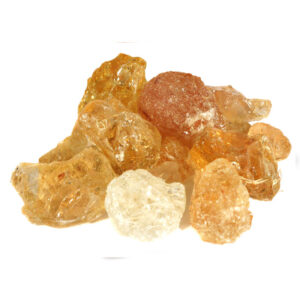
Product: Natural Gum Arabic (Acacia)
Moisture Content: ≤ 12%
Foreign Matter: ≤ 1–2%
Color: Light amber to brown
Form: Cleaned nodules / tears
Packaging: 25kg or 50kg PP bags (or buyer specification)
Origin: Nigeria
Shelf Life: Up to 24 months under proper storage
Contact Us Today
Emails: import@palmadex.com | palmadexgis@mail.com
Phone/WhatsApp: +2348066579079