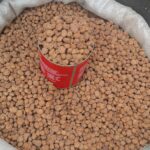
Tiger nuts are increasingly used in food processing, beverage manufacturing, and health-focused products, making quality consistency and export reliability essential for international buyers. While Nigeria is a major source of tiger nuts, exporters and importers often face challenges related to moisture control, contamination risks, size inconsistency, and shipment delays. These issues can affect product quality, shelf life, and customs clearance outcomes. Palmadex addresses these challenges through structured sourcing, disciplined processing standards, and export-ready logistics systems. This expert discussion explains the most common tiger nut export challenges buyers encounter and how Palmadex applies practical solutions to ensure smooth, compliant, and consistent international supply.
Expert Discussion: Challenges and Solutions
Challenge 1: Moisture Control and Shelf-Life Risks
Improper drying and moisture fluctuations can lead to mold growth, reduced shelf life, and rejection at destination ports.
Palmadex Solution:
Palmadex applies controlled drying processes to achieve safe moisture levels before storage and packaging. Moisture is verified at multiple stages to ensure stability during transit and storage.
Challenge 2: Contamination and Foreign Matter
Sand, stones, and organic debris are common risks when tiger nuts are poorly cleaned or handled.
Palmadex Solution:
Multi-stage cleaning systems, combined with manual inspection, remove foreign matter to meet export-grade cleanliness standards agreed with buyers.
Challenge 3: Size Uniformity and Grading Issues
Inconsistent sizing can affect processing efficiency for buyers and lead to specification disputes.
Palmadex Solution:
Tiger nuts are graded based on size, appearance, and intended application. Palmadex customizes grading specifications to align with buyer requirements before shipment.
Challenge 4: Packaging and Transit Damage
Poor packaging can expose tiger nuts to moisture ingress or physical damage during shipment.
Palmadex Solution:
Palmadex uses export-appropriate packaging materials and supervises container loading to protect product integrity throughout transit.
Challenge 5: Shipment Delays and Documentation Bottlenecks
Late bookings or incomplete documents can cause shipment rollovers and customs delays.
Palmadex Solution:
Documentation preparation, container booking, and shipment scheduling are coordinated in advance to ensure timely dispatch and smooth customs clearance.
Conclusion
Successfully exporting tiger nuts from Nigeria requires proactive management of quality, packaging, and logistics risks. Palmadex addresses these challenges through disciplined moisture control, thorough cleaning and grading, secure packaging, and documentation readiness. By combining technical quality standards with export logistics expertise, Palmadex minimizes buyer risk and delivers consistent, export-ready tiger nuts. For global importers seeking reliability and long-term supply stability, Palmadex provides a structured solution to the most common tiger nut export challenges.
Tiger Nut Export Specifications (Typical)
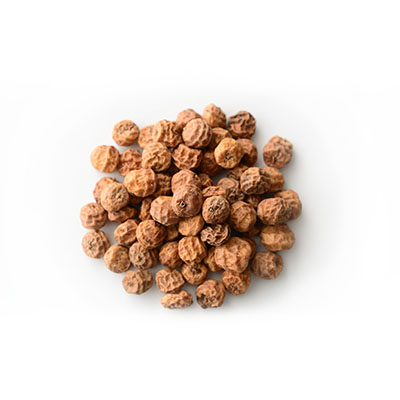
Product: Dried Tiger Nuts
Moisture Content: ≤ 10–12%
Foreign Matter: ≤ 1%
Packaging: PP bags or jute bags (customizable)
Origin: Nigeria
Shelf Life: Up to 12 months under proper storage
Contact Us Today
For export inquiries, specifications, or sampling requests:
Emails: import@palmadex.com | palmadexgis@mail.com
Phone/WhatsApp: +2348066579079
Palmadex — solving tiger nut export challenges with structured quality and dependable logistics.