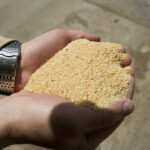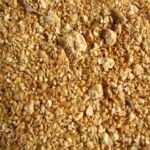
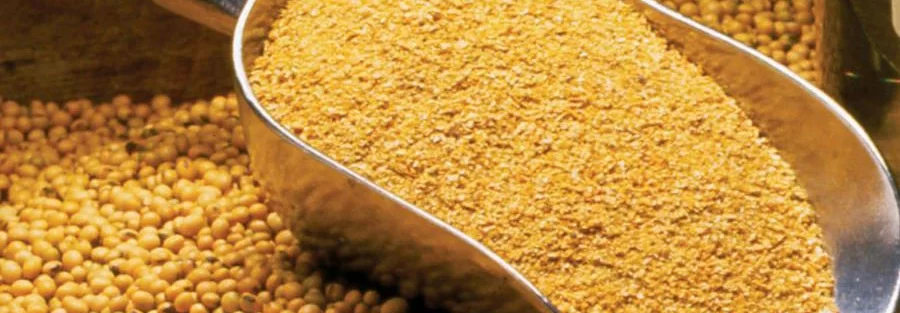
Exporting soya bean meal from Nigeria involves navigating several quality and logistics risks. Moisture instability, contamination, documentation delays, and inconsistent supply can disrupt shipments if not properly managed. This Q&A provides a detailed look at how Palmadex proactively solves these issues to ensure consistent, export-grade soya bean meal for international buyers.
Q&A: How Palmadex Overcomes Key Soya Bean Meal Export Challenges
Q1: Why is moisture one of the biggest challenges in soya bean meal exports?
High moisture levels encourage mold growth and reduce shelf life. Palmadex solves this by implementing strict moisture testing (≤10 percent), pre-drying protocols, and container ventilation checks before loading.
Q2: How does Palmadex prevent contamination during processing and transport?
We deploy layered cleaning systems including magnetic separators, sieves, and dust removal units. Bags are double-stitched, and containers are sanitized and lined to prevent contact with contaminants during shipping.
Q3: How does Palmadex ensure consistency across different batches?
Traceability starts from farm clusters and continues through processing. Every batch is tested for protein, fiber, oil residue, and impurities. Lab reports are shared with buyers for confirmation before shipment.
Q4: How are logistics delays minimized, especially at Nigerian ports?
Palmadex works with reliable freight forwarders and pre-books vessels weeks in advance. We complete documentation early to avoid port bottlenecks and provide buyers with real-time container tracking updates.
Q5: What about risks linked to transit damage or bag breakage?
We use high-grade polypropylene bags, secure palletizing, and layered stacking plans to avoid compression and tearing. Container inspections include floor checks, dryness tests, and structural integrity verification.
Q6: How does Palmadex maintain quality during long voyages?
By controlling moisture, using durable packaging, fumigating where required, and ensuring clean containers, the product integrity is preserved throughout transit until final discharge.
Palmadex Soya Bean Meal Export Specifications
Protein: 44–48 percent
Moisture: ≤10 percent
Fibre: ≤7 percent
Oil Residue: ≤2 percent
Packaging: 50 kg PP bags or jumbo bags
Loadability: 22–24 MT per 20ft container
Ports: Lagos (Apapa/Tin Can), Port Harcourt
Lead Time: 14–21 days
Partner with Palmadex
For contamination-free, moisture-controlled soya bean meal exports, contact the Palmadex Export Desk:
Email: import@palmadex.com | palmadexgis@mail.com
Phone/WhatsApp: +2348066579079
Location: Lagos, Nigeria