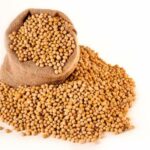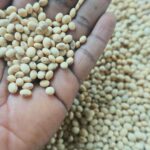
Exporting soya beans from Nigeria requires precision in handling, documentation, and logistics. Without proper systems, common issues such as high moisture, contamination, and shipping delays can disrupt trade flow. At Palmadex, we’ve built robust solutions to anticipate and prevent these challenges. In this Q&A, our export operations team explains how Palmadex ensures smooth, efficient, and quality-assured soya bean exports for international buyers.
Q: What are the most common soya bean export challenges in Nigeria?
A: The top challenges include inconsistent moisture levels, contamination during handling, delayed shipping schedules, and incomplete documentation. These factors can lead to quality degradation, shipment rejections, or increased logistics costs.
Q: How does Palmadex manage moisture control?
A: Moisture is one of the biggest threats to soya bean quality. Palmadex enforces strict moisture monitoring from farm to port. We use moisture meters to verify that beans are below 10% before packaging. Warehouses are properly aerated, and all cargo is bagged in breathable polypropylene sacks to prevent mold growth during storage and transit.
Q: How does Palmadex prevent contamination or foreign matter?
A: Soya beans are cleaned and screened to remove stones, sand, and husk residue. We train farmers and handlers on hygienic practices and ensure all tools, trucks, and loading areas meet food-grade safety standards. Each lot is tested for impurity levels before export clearance.
Q: Shipment delays are a concern. How does Palmadex minimize them?
A: Palmadex works closely with shipping lines, freight forwarders, and inspection agencies to keep the export pipeline moving efficiently. We secure container slots early, complete documentation in advance, and track each consignment until vessel departure. This proactive system minimizes rollover risks and ensures timely delivery.
Q: What role does documentation accuracy play in avoiding export problems?
A: Documentation errors often cause customs delays. Our compliance department handles all paperwork — including Phytosanitary Certificates, NEPC export permits, and Form NXP — well before shipment. Every document is cross-verified for consistency across all trade records.
Q: Why do importers prefer Palmadex for soya bean exports?
A: Palmadex offers reliability, transparency, and professional communication. We send buyers pre-shipment photos, laboratory test results, and inspection reports. Every challenge is managed with foresight, ensuring each buyer receives exactly what was promised — on time and in perfect condition.
Palmadex Soya Bean Trade Specifications
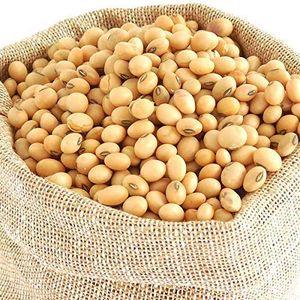
Commodity: Soya Beans (Glycine max)
Moisture Content: ≤ 10%
Oil Content: 18–20%
Protein Content: 38–42%
Impurities: ≤ 2%
Broken Grains: ≤ 3%
Packaging: 50kg or 100kg polypropylene bags
Loadability: 1 × 20ft = 18 MT; 1 × 40ft = 26–27 MT
FOB Ports: Lagos (Apapa, Tin Can), Port Harcourt
Lead Time: 21–30 days after confirmation
Minimum Order Quantity: 1 × 20ft container
Partner with Palmadex
For reliable, well-documented soya bean exports from Nigeria, contact Palmadex Export Desk:
Emails: import@palmadex.com | palmadexgis@mail.com
Phone/WhatsApp: +2348066579079
Location: Lagos, Nigeria