
International buyers looking to import Nigerian tiger nuts need to consider more than product price and availability. Food safety, quality specifications, packaging, labelling, export documentation, and destination-country regulations all play important roles in a successful shipment.
For overseas wholesalers, food manufacturers, distributors, and beverage producers, understanding these requirements helps reduce clearance problems and protect product quality.
Palmadex is a Nigerian exporter supplying tiger nuts to international buyers. We coordinate sourcing, product preparation, quality checks, packaging, and export documentation according to agreed buyer requirements.
This checklist explains the key areas to consider when exporting Nigerian tiger nuts.
1. Confirm the Product Requirements
Before placing an order, the buyer and exporter should clearly identify the product being purchased.
Important details include:
- Product type: Natural Nigerian tiger nuts.
- Intended use: Food processing, beverages, snacks, or flour production.
- Required quantity and grade.
- Preferred packaging.
- Destination country.
- Any special quality or regulatory requirements.
Clear product descriptions help ensure that the shipment matches the buyer’s expectations.
2. Establish Quality Specifications
Quality requirements should be agreed upon before order confirmation. Tiger nuts intended for commercial food use should meet the buyer’s specified requirements for appearance, cleanliness, size, and general condition.
Depending on the intended application, specifications may also cover moisture content, foreign matter, damaged nuts, and other quality parameters.
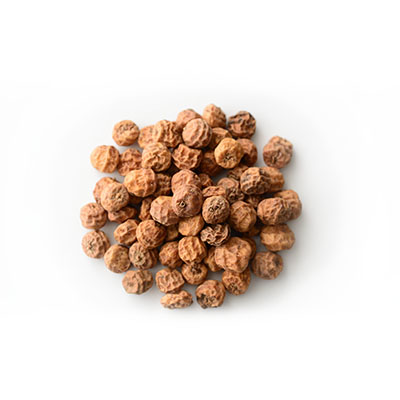
Palmadex uses agreed buyer specifications as a reference for sourcing and export preparation.
3. Check Food Safety Requirements
Food safety is essential when exporting agricultural products for human consumption.
Buyers should identify the food safety requirements applicable in their destination markets. These may cover:
- Microbiological contamination.
- Pesticide residues.
- Mycotoxins, where applicable.
- Heavy metals, where applicable.
- Hygiene during handling and processing.
- Contamination prevention.
The applicable tests depend on the destination country’s regulations and the buyer’s intended use.
4. Arrange Appropriate Quality Testing
Laboratory testing can help verify whether tiger nuts meet agreed quality and safety requirements.
Depending on the destination and product specification, testing may include moisture analysis, microbiological examination, pesticide residue screening, or other relevant tests.
Where required, Palmadex can coordinate appropriate testing or inspection based on the buyer’s instructions.
Buyers should confirm which tests and acceptable limits apply before production and shipment.
5. Maintain Proper Hygiene During Handling
Poor handling can introduce dirt, foreign materials, pests, and other contaminants.
Therefore, hygiene should be considered throughout sorting, cleaning, storage, and packaging.
Good handling practices include:
- Keeping processing and storage areas clean.
- Using clean handling equipment.
- Protecting products from contamination.
- Separating unsuitable or damaged nuts.
- Maintaining appropriate pest-control measures.
These precautions help preserve product condition before shipment.
6. Confirm Moisture and Storage Conditions
Moisture management is particularly important for dried tiger nuts. Excessive moisture can encourage mould growth and deterioration during storage and transportation.
Buyers should agree on an acceptable moisture specification and request testing where necessary.
Storage arrangements should also protect the product from excessive humidity, pests, direct contamination, and unsuitable environmental conditions.
7. Check Packaging Requirements
Packaging must protect the tiger nuts and meet the requirements of the destination market.
Depending on the order, suitable food-grade or export-grade packaging may be used. Buyers should confirm:
- Packaging material.
- Net weight per package.
- Sealing requirements.
- Protection against moisture and contamination.
- Suitability for the intended shipping method.
- Any special destination-market packaging rules.
Palmadex coordinates packaging according to agreed buyer specifications.
8. Confirm Labelling Requirements
Incorrect or incomplete labelling can create difficulties during customs clearance and product distribution.
Depending on the destination market, labels may need to include:
- Product name.
- Country of origin.
- Net weight.
- Batch or lot identification.
- Production or packaging date, where required.
- Best-before or expiry information, where applicable.
- Storage instructions.
- Importer or manufacturer details, where required.
Buyers should confirm the applicable labelling rules before packaging begins.
9. Prepare the Required Export Documentation
Accurate documentation supports customs processing and international shipment.
Depending on the transaction and destination, relevant documents may include:
- Commercial invoice.
- Packing list.
- Certificate of origin.
- Certificate of analysis.
- Phytosanitary certificate, where required.
- Inspection certificate, where applicable.
- Bill of lading or other transport document.
- Relevant Nigerian export documentation.
Not every document applies to every shipment. The final list should be confirmed with the relevant authorities, customs broker, and destination-country importer.
10. Verify Destination-Country Import Regulations
This is one of the most important steps for international buyers. Requirements for importing agricultural food products vary between countries.
For example, buyers may need to confirm rules relating to food registration, permitted contaminants, phytosanitary controls, packaging, labelling, and import permits.
The importer should verify these requirements with the relevant authorities in the destination country before shipment. This helps prevent avoidable delays, rejection, or additional costs.
Conclusion
Successful Nigerian tiger nuts exports depend on proper preparation and compliance at every stage. Buyers should establish clear product specifications, confirm food safety requirements, arrange appropriate testing, maintain hygiene, select suitable packaging, prepare accurate documentation, and verify destination-country regulations.
Palmadex works with international buyers to coordinate the sourcing and export preparation of Nigerian tiger nuts according to agreed requirements.
If your business plans to buy Nigerian tiger nuts in bulk, contact Palmadex with your product specifications, required quantity, and destination so that the relevant export requirements can be discussed before shipment.
Nigerian Tiger Nuts Export Specifications
- Product: Nigerian Tiger Nuts
- Origin: Nigeria
- Product Type: Natural Tiger Nuts
- Colour: Natural Brown to Golden Brown, Subject to Product Grade
- Size: Subject to Buyer Specification
- Moisture: According to Agreed Buyer Specification
- Cleanliness: Sorted and Prepared According to Buyer Requirements
- Foreign Matter: Controlled According to Agreed Quality Requirements
- Packaging: Suitable Food-Grade or Export-Grade Packaging
- Supply: Bulk Supply Subject to Availability and Order Volume
- Applications: Food Processing, Beverages, Tiger Nut Milk, Snacks, Flour Production, and Wholesale Distribution
- Port of Loading: Lagos, Nigeria
Contact Us Today
Looking for a Nigerian tiger nuts exporter that understands international buyer requirements? Contact Palmadex to discuss your order, quality specifications, packaging, and destination-country requirements.
Emails: [email protected] | [email protected]
Phone/WhatsApp: +2348066579079