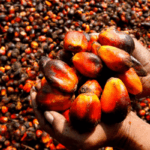

Exporting Nigerian palm oil requires careful attention to product quality, food safety, packaging, documentation, and destination-country regulations. International buyers must ensure that imported palm oil meets the requirements of their intended market and can clear customs without unnecessary complications.
For exporters and importers, preparing these requirements before shipment helps reduce delays, prevent documentation problems, and protect the commercial value of an order.
Palmadex helps international buyers coordinate Nigerian palm oil sourcing and export preparation. This checklist highlights important areas to consider before shipping crude red palm oil from Nigeria.
1. Confirm the Product Type and Intended Use
Start by identifying the exact palm oil product you intend to import. Nigerian palm oil may serve food manufacturing, soap production, cosmetics, and other industrial applications.
The intended use determines the quality standards, testing requirements, and regulatory conditions that may apply.
Before placing an order, confirm:
- Product type and grade.
- Intended application.
- Required processing condition.
- Destination country.
- Applicable food or industrial standards.
Clear product identification helps prevent the supply of unsuitable material.
2. Agree on Product Quality Specifications
Never rely on a general description such as premium palm oil when placing an international order. Buyers should establish measurable specifications with their suppliers.

Important parameters may include:
- Colour and appearance.
- Moisture and volatile matter.
- Impurities and insoluble matter.
- Free fatty acid (FFA) level.
- Peroxide value, where applicable.
- Odour and general product condition.
The acceptable limits depend on the buyer’s application and destination-market requirements. Include agreed specifications in the purchase contract to create a clear quality reference.
3. Arrange Appropriate Laboratory Testing
Visual inspection alone cannot confirm every important palm oil quality parameter.
Depending on the transaction, buyers may request laboratory analysis to verify moisture, FFA, impurities, and other relevant characteristics.
Where necessary, use a competent laboratory or independent inspection provider. Request test reports that identify the tested product or batch and the applicable analytical methods.
This gives buyers stronger evidence that the shipment meets the agreed requirements.
4. Check Food Safety and Contamination Risks
Palm oil intended for food production must meet applicable food safety requirements.
Buyers should consider possible contamination during processing, storage, handling, and transportation. They should also establish whether the supplier follows suitable hygiene and handling practices.
Depending on the destination market and product use, additional requirements may cover:
- Contaminant limits.
- Pesticide residues.
- Traceability.
- Hygiene controls.
- Applicable food safety certifications.
- Laboratory analysis.
Do not assume that one certificate automatically satisfies every importing country’s requirements. Confirm the specific rules before shipment.
5. Confirm Packaging and Labelling Requirements
Packaging must protect palm oil during handling, storage, and transportation.
Depending on the order volume and shipping arrangement, suitable options may include food-grade drums, jerrycans, or approved bulk packaging systems.
Before shipment, confirm:
- Packaging material and suitability.
- Container cleanliness.
- Secure closures and leak prevention.
- Net weight and quantity per container.
- Product identification and batch details.
- Required labels and language.
Importers should confirm whether their destination market requires specific food labelling information or additional declarations.
6. Prepare the Required Export Documents
Accurate documentation is essential for international palm oil shipments. Missing or inconsistent information can delay customs clearance and create additional costs.
Depending on the transaction and destination, relevant documents may include:
- Commercial invoice.
- Packing list.
- Bill of lading.
- Certificate of origin.
- Certificate of analysis.
- Inspection report.
- Applicable export permits or regulatory certificates.
The Nigerian exporter should confirm current requirements with the relevant authorities and service providers before dispatch.
7. Verify Destination-Country Import Regulations
Palm oil import requirements differ between countries. Some markets impose specific food safety standards, labelling rules, registration requirements, or restrictions on certain contaminants.
Before ordering, buyers should consult their country’s customs authority and relevant food or product regulatory agency.
They should also confirm whether the product requires importer registration, advance notification, special declarations, or approval before arrival.
This step is particularly important for palm oil intended for human consumption.
8. Conduct Pre-Shipment Inspection
Pre-shipment inspection helps confirm that the product, quantity, and packaging match the purchase agreement.
Depending on the contract, inspection may cover:
- Product appearance and condition.
- Quantity and weight.
- Packaging integrity.
- Batch identification.
- Laboratory results.
- Shipping documentation.
Buyers who require independent verification should arrange inspection before the cargo leaves Nigeria.
Palmadex can coordinate relevant quality and shipment preparation activities based on the agreed transaction requirements.
9. Confirm Shipping and Transportation Arrangements
Palm oil requires suitable transportation and handling to protect its condition throughout the export process.
Before dispatch, confirm the shipping method, packaging arrangement, container suitability, loading procedures, and delivery terms.
The buyer and exporter should also agree on responsibilities for insurance, freight, customs clearance, and destination charges under the selected Incoterms.
Conclusion
Successful Nigerian palm oil exports depend on more than product availability. Buyers must address quality specifications, laboratory testing, food safety, packaging, documentation, and destination-country regulations before shipment.
Palmadex helps international buyers coordinate these requirements when sourcing Nigerian crude red palm oil. By establishing clear expectations and preparing orders carefully, we work to support smoother export transactions.
Nigerian Palm Oil Export Specifications
- Product: Nigerian Crude Palm Oil
- Origin: Nigeria
- Product Type: Crude Red Palm Oil
- Colour: Natural Orange-Red to Reddish-Orange
- Quality Parameters: Subject to agreed buyer specifications
- Moisture and Impurities: According to buyer requirements
- FFA: According to agreed specification
- Packaging: Food-grade drums, jerrycans, or suitable bulk packaging
- Supply: Subject to availability and order volume
- Applications: Food Processing, Soap Production, Cosmetics, and Industrial Manufacturing
- Port of Loading: Lagos, Nigeria
Contact Us Today
Planning to import Nigerian palm oil? Contact Palmadex to discuss product specifications, quality checks, packaging, and export arrangements.
Emails: [email protected] | [email protected]
Phone/WhatsApp: +2348066579079