
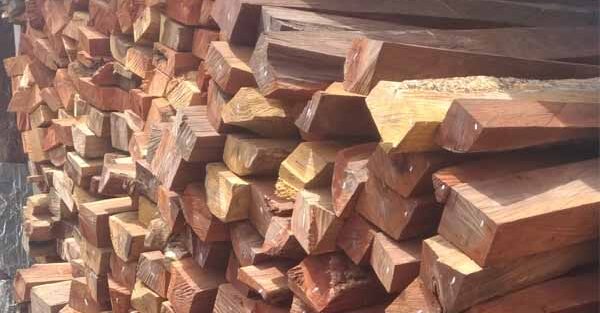
Importing Eku wood from Nigeria offers strong opportunities for construction, furniture manufacturing, and industrial applications. However, without a structured process, buyers may face challenges such as inconsistent grading, improper moisture levels, documentation gaps, and shipment delays.
Palmadex simplifies the process through a clear 10-step importer’s playbook. This guide helps buyers move from inquiry to delivery efficiently while ensuring quality, compliance, and reliable logistics coordination.
Step 1: Submit Your Inquiry
Start by contacting Palmadex with your requirements. Include dimensions, grade, moisture range, volume, packaging preference, and destination.
Clear details at this stage help ensure accurate pricing and product availability.
Step 2: Confirm Product Specifications
Palmadex provides detailed specifications covering dimensions, moisture content, grading standards, and allowable defects.
Buyers review and approve these details. Therefore, both parties align expectations before production begins.
Step 3: Request Samples or Visual Proof
Depending on buyer preference, Palmadex provides physical samples or detailed photos and videos.
This step allows buyers to assess grain quality, finishing, and overall timber condition before placing bulk orders.
Step 4: Approve the Sample or Specification
Once satisfied, buyers approve the sample or agreed specification.
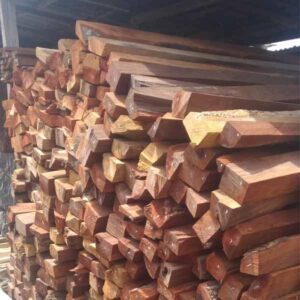
Palmadex then allocates timber that matches the approved quality standards. As a result, shipment consistency is maintained.
Step 5: Sign the Sales Contract
Palmadex issues a formal contract outlining price, payment terms, shipment schedules, and delivery conditions.
Buyers review and sign the agreement before processing begins. This step ensures transparency and reduces misunderstandings.
Step 6: Prepare Export Documentation
Palmadex manages all required export documents, including:
- Export permits
- Certificate of origin
- Phytosanitary certificate
- Commercial invoice and packing list
Proper documentation supports smooth customs clearance.
Step 7: Conduct Final Quality Inspection
Before shipment, Palmadex performs final checks on dimensions, moisture content, grading accuracy, and defects.
This inspection ensures the timber meets agreed specifications.
Step 8: Packaging and Container Loading
Eku wood is bundled and loaded securely into export containers.
Palmadex supervises loading carefully to prevent damage, moisture exposure, or misalignment during transit. Consequently, the timber arrives in good condition.
Step 9: Shipment Coordination and Tracking
Palmadex coordinates shipment schedules and provides tracking updates throughout transit.
Additionally, buyers receive estimated arrival information and cargo movement updates. Therefore, logistics remain transparent and predictable.
Step 10: Delivery and After-Sales Support
Upon cargo arrival, Palmadex supports buyers with any documentation or customs-related clarification required.
We also follow up after delivery to ensure buyer satisfaction and strengthen long-term partnerships.
Conclusion
Importing Eku wood from Nigeria becomes more efficient when buyers follow a structured process. Palmadex ensures reliable sourcing, consistent grading, proper documentation, and coordinated logistics management.
By following this 10-step playbook, buyers can confidently source high-quality Nigerian Eku wood with reduced risk and dependable delivery.
Eku Wood Export Specifications (Typical)
Product: Eku Wood (Logs or Sawn Timber)
Moisture Content: 12–20% (depending on specification)
Dimensions: As per buyer requirements
Grade: Export grade (as specified)
Defects: Minimal, within acceptable tolerance
Packaging: Bundled and containerized
Origin: Nigeria
Durability Class: Suitable for structural and industrial applications
Contact Us Today
Email: [email protected], [email protected]
Phone/WhatsApp: +2348066579079