Peanut exports from Nigeria involve strict quality standards and careful handling. International buyers often face several challenges when sourcing peanuts from new markets. These challenges include aflatoxin contamination, poor moisture control, grading inconsistencies, contamination during handling, and shipment delays.
Palmadex addresses these risks through structured sourcing, strict quality management, and disciplined export procedures. In this guide, we discuss the most common peanut export challenges and explain how Palmadex solves them for international buyers.
1. How Does Palmadex Control Aflatoxin Risks?
Aflatoxin contamination is one of the most serious concerns in peanut exports. Improper drying or poor storage conditions can encourage mold growth, which leads to aflatoxin formation.
Palmadex reduces this risk by working with suppliers who follow proper post-harvest handling practices. Additionally, peanuts undergo careful sorting and quality checks before export. These procedures help ensure that the kernels meet acceptable safety standards.
2. How Is Moisture Managed in Peanut Exports?
High moisture levels can damage peanuts during storage and transportation. Moisture can also contribute to mold growth and product spoilage.
Palmadex monitors moisture levels carefully during drying and storage. Peanuts are dried to safe export levels and stored in ventilated warehouses. As a result, the kernels maintain their quality throughout the export process.
3. How Are Grading Inconsistencies Prevented?
Peanut shipments sometimes contain mixed kernel sizes or inconsistent quality. Such inconsistencies can cause problems for processors and food manufacturers.
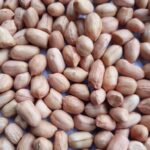
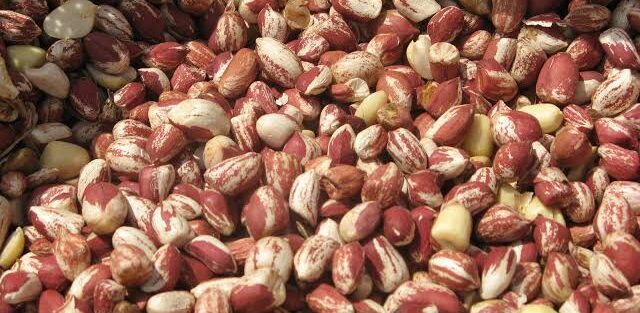
Palmadex applies standardized grading procedures based on kernel size, color, and cleanliness. Furthermore, workers remove defective or damaged kernels during inspection. Consequently, buyers receive uniform peanut grades that match their specifications.
4. How Does Palmadex Prevent Contamination?
Contamination may occur during shelling, sorting, or storage if handling conditions are not controlled properly. Dust, foreign materials, and pests can affect product quality.
Palmadex maintains hygienic handling procedures throughout the processing chain. Additionally, peanuts are stored in clean facilities designed to prevent contamination. These measures help preserve product integrity until shipment.
5. How Are Shipment Delays Reduced?
Export shipments can be delayed due to incomplete documentation, port congestion, or poor coordination. Such delays can disrupt supply chains and affect buyer operations.
Palmadex prepares export documentation in advance and coordinates closely with logistics partners. Moreover, we monitor container booking and cargo movement to ensure efficient shipment scheduling.
6. How Does Palmadex Manage Large Peanut Export from Nigeria Orders?
Large peanut orders can increase the risk of inconsistent quality if the supply chain is not managed carefully.
Palmadex organizes bulk orders into traceable batches while maintaining grading and moisture standards. This approach ensures that even large shipments maintain consistent quality across the entire order.
7. How Do Buyers Benefit from Palmadex’s Quality Systems?
By addressing key export challenges proactively, Palmadex provides buyers with a dependable supply chain. Buyers benefit from improved product safety, consistent grading, and reliable logistics.
In addition, transparent communication and clear documentation help strengthen long-term trade relationships.
Conclusion
Peanut exports require careful management of quality, safety, and logistics. Challenges such as aflatoxin contamination, moisture variation, grading inconsistencies, and shipment delays can disrupt trade if they are not properly controlled.
Palmadex solves these challenges through disciplined sourcing, structured quality control, and reliable export coordination. As a result, international buyers can confidently source premium Nigerian peanuts with consistent quality and dependable delivery.
Peanut Export Specifications (Typical)
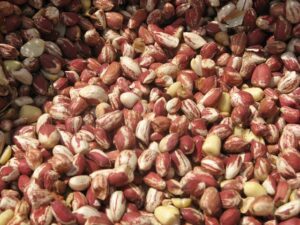
Product: Raw Peanut Kernels (Groundnuts)
Moisture Content: ≤ 10%
Foreign Matter: ≤ 1%
Broken Kernels: As per buyer specification
Packaging: 25kg or 50kg PP bags (or buyer specification)
Origin: Nigeria
Shelf Life: Up to 12 months under proper storage
Contact Us Today
Emails: [email protected] | [email protected]
Phone/WhatsApp: +2348066579079