Exporting Cassia Tora from Nigeria presents several challenges for international buyers, including inconsistent seed quality, moisture-related deterioration, contamination risks, documentation errors, and shipment delays. Without a structured export system, these issues can lead to rejected consignments, financial losses, and supply chain disruptions. Palmadex addresses these challenges through standardized sourcing, quality control, compliance management, and logistics coordination. In this discussion, the Palmadex export team explains the most common Cassia Tora export challenges and how we proactively solve them for global buyers.
Q&A: Solving Cassia Tora Export Challenges
1. What is the most common quality challenge with Cassia Tora exports?
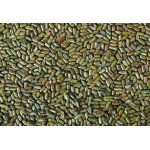
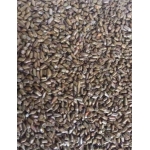
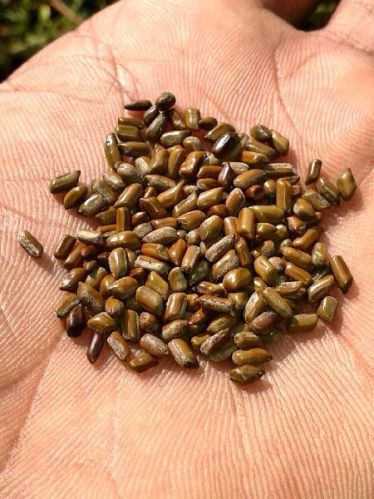
Inconsistent seed quality is a major issue, often caused by mixing immature and mature seeds. Palmadex prevents this by sourcing only fully matured Cassia Tora and rejecting substandard lots at the aggregation stage.
2. How does Palmadex manage moisture-related risks?
High moisture levels can lead to mold growth and spoilage during transit. Palmadex uses controlled drying methods and conducts moisture testing to ensure export-safe levels before packaging and shipment.
3. How are contamination and foreign matter risks handled?
Cassia Tora is vulnerable to contamination from stones, dust, and plant debris. Palmadex applies multi-stage cleaning and manual inspection to achieve buyer-approved cleanliness standards.
4. How does Palmadex ensure grading consistency across shipments?
We apply uniform grading criteria based on seed size, color, cleanliness, and moisture content. Each batch is inspected to match previously approved buyer samples.
5. What documentation challenges do buyers commonly face?
Missing or incorrect export documents can delay customs clearance. Palmadex prepares complete and accurate documentation, including phytosanitary certificates, fumigation certificates, certificates of origin, and inspection reports.
6. How does Palmadex prevent shipment delays?
Early container booking, documentation readiness, supervised loading, and shipment tracking allow Palmadex to reduce port delays and transit disruptions.
7. How does Palmadex handle buyer concerns during shipment?
Palmadex maintains open communication, providing shipment updates and responding promptly to buyer inquiries, ensuring transparency throughout the export process.
Conclusion
Cassia Tora exports from Nigeria require strict control over quality, moisture, cleanliness, documentation, and logistics. Palmadex’s structured systems address these challenges at every stage, allowing buyers to source Nigerian Cassia Tora with confidence, consistency, and reduced risk.
Cassia Tora Export Specifications (Typical)
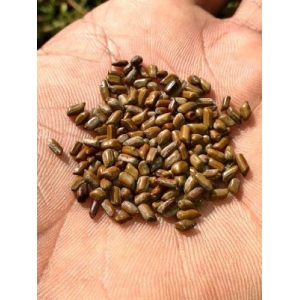
Product: Cassia Tora Seeds
Moisture Content: ≤ 10–12%
Foreign Matter: ≤ 1%
Seed Condition: Fully matured and clean
Color: Natural brown
Packaging: PP bags or buyer-specified packaging
Origin: Nigeria
Shelf Life: Up to 12 months under proper storage
Contact Us Today
For reliable Cassia Tora exports from Nigeria:
Emails: [email protected] | [email protected]
Phone/WhatsApp: +2348066579079