
Exporting turmeric from Nigeria requires strict compliance with international regulatory standards. Missing, inaccurate, or incomplete documentation can result in customs delays, shipment holds, or outright rejection at destination ports. Because turmeric is an agricultural product, importing countries place strong emphasis on food safety, phytosanitary status, traceability, and proper labeling. Palmadex simplifies this process by following a structured export documentation checklist that ensures every turmeric shipment meets regulatory and buyer requirements. This guide outlines the essential documents Palmadex prepares to achieve smooth customs clearance and dependable international delivery.
Palmadex Turmeric Export Documentation Checklist
1. Commercial Invoice
The commercial invoice outlines transaction details including buyer and seller information, product description, HS code, quantity, unit price, total value, and payment terms. Palmadex ensures invoice accuracy to avoid customs valuation disputes.
2. Packing List
The packing list provides a breakdown of packaging type, number of bags or cartons, net and gross weights, and batch references. This document supports customs inspection and logistics handling.
3. Phytosanitary Certificate
Issued by authorized Nigerian agricultural authorities, the phytosanitary certificate confirms that the turmeric shipment is free from pests and diseases and complies with the importing country’s plant health regulations.
4. Fumigation Certificate
The fumigation certificate confirms that the turmeric has been properly treated to eliminate insects or larvae. This document is critical for biosecurity compliance during international transit.
5. Certificate of Origin
This certificate confirms Nigeria as the country of origin. It supports customs clearance, tariff classification, and eligibility for applicable trade agreements or preferential duties.
6. Quality Inspection Report
Palmadex conducts internal quality inspections covering moisture content, cleanliness, color intensity, and overall product condition. Inspection reports provide buyers with added assurance of export-grade quality.
7. Labeling Compliance Documentation
Each package is labeled with product name, net weight, batch number, and country of origin. Proper labeling supports traceability and compliance with destination-country import regulations.
8. Bill of Lading
Issued by the shipping line, the bill of lading serves as proof of shipment, contract of carriage, and title document. Palmadex verifies all details before dispatch.
9. Export Declaration and Customs Clearance Documents
Palmadex completes all mandatory export declarations and customs filings required for legal shipment clearance from Nigeria.
10. Buyer-Specific Regulatory Requirements
Depending on destination country regulations, Palmadex prepares additional documents such as special inspection approvals or importer-requested certifications.
Conclusion
Turmeric export compliance is a critical component of successful international trade. Palmadex simplifies this process by following a comprehensive documentation checklist that minimizes regulatory risks and prevents shipment delays. Through accurate paperwork, verified certifications, and compliant labeling, Palmadex ensures turmeric shipments move smoothly from Nigeria to global markets. This disciplined approach provides buyers with confidence, operational efficiency, and reliable supply continuity.
Turmeric Export Specifications (Typical)
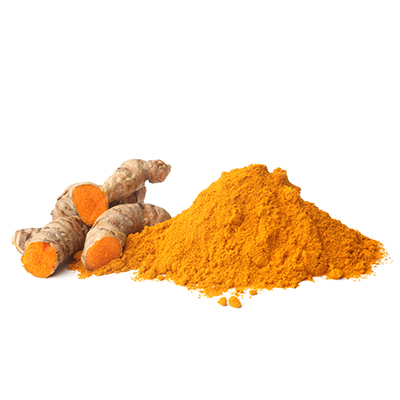
Product: Dried Turmeric Rhizomes
Moisture Content: ≤ 10–12%
Curcumin Content: Buyer-specified
Foreign Matter: ≤ 1%
Color: Bright yellow to orange
Packaging: PP bags or cartons (customizable)
Origin: Nigeria
Shelf Life: Up to 12 months under proper storage
Contact Us Today
For compliant turmeric exports from Nigeria:
Emails: [email protected] | [email protected]
Phone/WhatsApp: +2348066579079