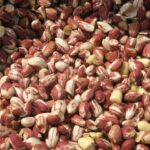

Importing peanuts (groundnuts) from Nigeria can be complex for first-time buyers. Challenges often include sourcing the right supplier, verifying quality, managing export documentation, and ensuring timely delivery. Palmadex simplifies this process with a clear 10-step importer’s playbook. This guide provides international buyers with a structured roadmap from inquiry to shipment.
Step 1: Submit Your Inquiry
Begin by contacting Palmadex with your peanut requirements, including quantity, grade, and packaging preferences. Providing detailed information upfront allows Palmadex to match your needs with available supply and propose suitable solutions.
Step 2: Confirm Product Specifications
Palmadex shares detailed specifications for your review, covering kernel size, moisture content, grading, and packaging. Buyers approve these specifications to ensure the shipment meets their expectations.
Step 3: Request and Receive Samples
Before placing a full order, buyers can request peanut samples. Palmadex provides cleaned, export-ready kernels for evaluation. Sampling allows buyers to confirm quality, color, and size before committing to a larger shipment.
Step 4: Approve the Sample
Once the sample meets your requirements, buyers provide approval. Palmadex then allocates the batch for the order. This step ensures that the final shipment aligns with the agreed quality standards.
Step 5: Sign the Sales Contract
Palmadex prepares a formal contract detailing price, payment terms, shipment schedule, and delivery conditions. Buyers review and sign the contract to finalize the agreement. Clear contracts protect both parties and prevent disputes.
Step 6: Prepare Export Documentation
Palmadex handles all regulatory documentation, including phytosanitary certificates, fumigation reports, and certificates of origin. Proper documentation ensures smooth customs clearance and prevents shipment delays.
Step 7: Conduct Final Quality Checks
Before shipment, Palmadex inspects the batch for grading, moisture content, cleanliness, and packaging integrity. These checks guarantee that buyers receive export-ready peanuts that meet specifications.
Step 8: Packaging and Container Loading
Peanuts are packed in 25kg or 50kg PP bags (or buyer-specified packaging). Palmadex supervises container loading to prevent contamination or damage during transit. Proper handling maintains product integrity throughout the shipment.
Step 9: Shipment Tracking
Once dispatched, buyers receive tracking information to monitor their shipment. Palmadex provides regular updates on cargo movement, ensuring transparency and predictable delivery timelines.
Step 10: Delivery and Post-Shipment Support
Upon arrival, Palmadex offers assistance with customs clearance and any post-shipment queries. This support strengthens buyer confidence and encourages long-term trade relationships.
Conclusion
Following this 10-step playbook allows buyers to import Nigerian peanuts efficiently, reliably, and transparently. Palmadex ensures traceable sourcing, strict quality assurance, and professional export management, making international peanut trade smooth and dependable.
Peanut Export Specifications (Typical)
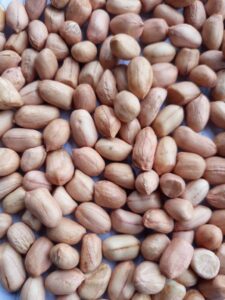
Product: Raw Peanut Kernels (Groundnuts)
Moisture Content: ≤ 10%
Foreign Matter: ≤ 1%
Broken Kernels: As per buyer specification
Packaging: 25kg or 50kg PP bags (or buyer specification)
Origin: Nigeria
Shelf Life: Up to 12 months under proper storage
Contact Us Today
Emails: import@palmadex.com | palmadexgis@mail.com
Phone/WhatsApp: +2348066579079